

The trigger clicked, gas flowed, but the wire refused to move. No arc, no puddle — just that awkward pause while you stare at the gun wondering what went wrong. I’ve been there more times than I care to admit, and it always seems to happen right when the job is rolling.
When a MIG welder stops feeding wire, it’s rarely one big failure — it’s usually a small issue somewhere along the wire path. Slipping drive rolls, too much or too little tension, a clogged liner, or a worn contact tip can all bring everything to a standstill. I learned through real troubleshooting that checking each part in order is the fastest way to fix it.
If your MIG welder is not feeding wire and you want to get back to welding fast, keep reading. I’ll walk you through the simple, proven steps to find the problem and get your wire feeding smoothly again.
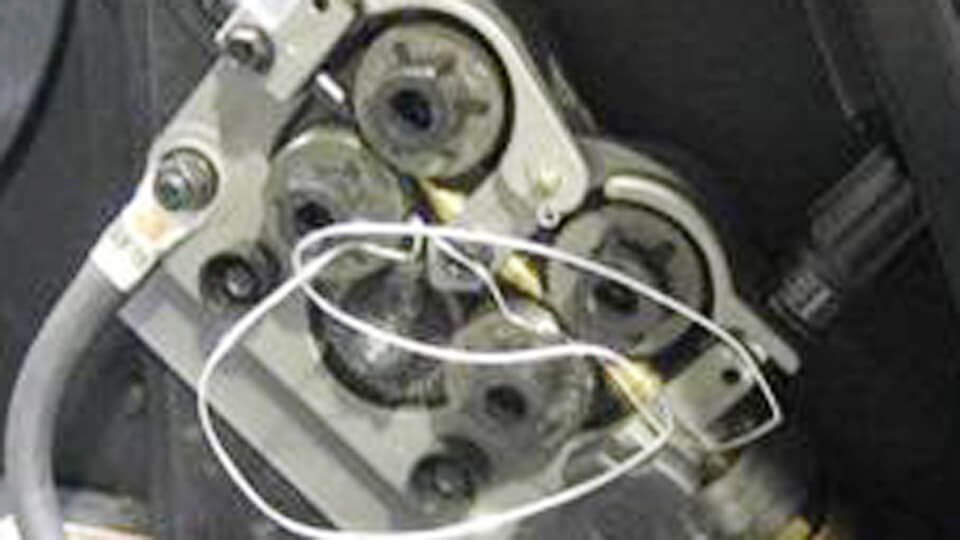
Image thefabricator
Why Your MIG Welder Stops Feeding Wire: The Real-World Causes
Wire feeding in a MIG welder is purely mechanical once the trigger is pulled. The drive rollers push the wire through the liner, down the gun cable, and out the contact tip. Anything that interrupts that smooth path—friction, misalignment, blockage, or lack of grip—will stop the wire or make it feed erratically.
The most frequent culprits I’ve seen are drive roll tension, a dirty or damaged liner, wrong consumables for the wire type, and spool-related issues. Less common but still important are electrical problems with the feed motor or trigger circuit. On aluminum jobs, the soft wire adds its own set of headaches that steel welders don’t usually face.
The good news? Most of these you can diagnose and fix in under 15 minutes with basic tools and no special equipment. Let’s break it down.
Drive Roll Tension: Getting It Just Right (The #1 Mistake I See)
Drive roll tension is where a lot of welders—beginners and experienced guys alike—go wrong. Too loose, and the rollers slip, leaving the wire sitting still while the motor spins. Too tight, and you deform the wire, create shavings that clog everything downstream, or cause a birdnest when the wire hits any resistance.
How it works: The tension arm presses the top roller against the wire, creating friction so the grooved drive roll can push it forward. Proper tension gives consistent feed without crushing the wire.
Shop-tested way to set it:
- Release all tension on the drive rolls.
- Load your wire and feed it manually through the rolls until it enters the gun inlet.
- Hold the wire lightly between your thumb and forefinger about 6 inches past the rolls (wear gloves).
- Pull the trigger. Increase tension gradually until the wire no longer slips.
- Add about a half turn more. Test by feeding into a piece of wood—the wire should curl smoothly without slipping or digging in.
I keep a small block of scrap wood right by the welder for this exact check. On .030″ or .035″ steel wire, this method has never let me down. For flux-cored wire, which is softer, you can usually go a touch lighter.
Common mistake: Cranking the tension knob all the way down “to make sure it feeds.” That almost always leads to a birdnest the first time the tip gets a little spatter buildup.
Choosing and Maintaining the Right Drive Rolls
Using the wrong groove or worn rolls is another fast way to kill wire feed. Solid steel wire likes smooth V-grooves. Flux-cored needs knurled rolls to grip the rough surface without slipping. Aluminum demands U-grooves to avoid deforming the soft wire.
Here’s a quick reference I’ve used when training new guys:
| Wire Type | Diameter Common | Recommended Groove | Notes |
|---|---|---|---|
| Solid Steel (ER70S-6) | .030″ / .035″ | V-groove | Most versatile for mild steel |
| Flux-Cored (E71T-11) | .030″ / .035″ / .045″ | Knurled | Extra grip needed |
| Aluminum (ER4043/5356) | .030″ / .035″ | U-groove | Prevents flattening |
Clean the grooves every time you change wire. A quick wipe with a brass brush or even a toothbrush removes debris that causes slippage. If the grooves are worn smooth or have burrs, replace the rolls—cheap insurance against headaches.
Inspecting and Replacing the MIG Gun Liner
If I had to pick one component that causes more mysterious feeding issues than anything else, it’s the liner. Over time it collects dust, wire shavings, and rust particles that turn it into a sandpaper tube.
Signs of a bad liner: Wire feels gritty when you push it by hand, intermittent feeding that gets worse as the gun heats up, or the wire “snakes” and jams inside the cable.
How to check and replace it:
- Straighten the gun cable completely on the floor.
- Remove the contact tip and nozzle.
- Pull out the old liner (it usually slides out from the back after loosening the retaining screw).
- Blow the cable out thoroughly with compressed air.
- Insert the new liner (steel spiral for solid/flux wire, Teflon for aluminum).
- Trim it so it sits flush or just barely protrudes into the gas diffuser—too short and the wire can wander; too long and it kinks.
I replace liners every 3-6 months in heavy use or immediately if I’ve run rusty wire. A good liner should let the wire slide through with almost no resistance when you push it by hand.
Spool Hub Tension and Wire Loading Mistakes
The spool brake (or hub tension) keeps the spool from over-spinning when you stop feeding. Too tight, and the drive rolls have to fight extra drag, leading to slippage or motor strain. Too loose, and the spool keeps unwinding, causing loops and tangles.
Quick check: With the drive rolls disengaged, the spool should turn freely with a light tug but not coast on its own. Most welders have a simple knob or spring-loaded adjustment right at the hub.
When loading new wire, always make sure the spool direction matches the drive roll rotation. I’ve seen guys waste half a spool because they loaded it backwards and the wire kept binding.
Pro tip: If you’re getting erratic feed that improves when you hold the spool by hand, your hub tension is almost certainly too high.
Contact Tip and Nozzle Problems That Stop Feed Cold
A clogged contact tip is the final choke point. Spatter buildup, burnback from holding the gun too close, or using the wrong size tip will grab the wire and stop it instantly.
Rule of thumb: Match the tip size exactly to your wire diameter. For .035″ wire, use a .035″ tip. A slightly oversized tip can let the wire wander and arc inside, creating burnback.
Keep a few extra tips in your toolbox and change them at the first sign of trouble. When the tip gets hot, the hole shrinks slightly from expansion—another reason aluminum wire (softer) is more prone to jamming.
Clean the nozzle regularly too. A dirty nozzle restricts gas flow and lets spatter fly back onto the tip.
Special Challenges with Aluminum Wire Feeding
Aluminum wire is soft, easily deformed, and more prone to birdnesting than steel. If you’re switching from mild steel to aluminum, expect to make several changes:
- Use a Teflon or plastic liner (larger diameter than steel).
- Switch to U-groove drive rolls.
- Consider a spool gun or push-pull system for longer runs—these pull the wire from the front instead of pushing from the feeder.
- Keep the gun cable as straight as possible.
I learned this the hard way on a custom aluminum fuel tank job. The first few feet fed fine, then the soft wire started buckling in the liner. Switching to a spool gun solved it immediately.
Full Step-by-Step Troubleshooting When Your MIG Welder Won’t Feed Wire
When the wire stops, follow this order—it’s saved me countless times:
- Check the obvious: Is the wire speed set above zero? Is the machine in the correct mode (MIG vs. flux core)?
- Does the motor run? Pull the trigger and listen. If no sound or no roller movement, check the trigger switch, control leads, fuses, or circuit board.
- Motor runs but wire doesn’t move? Inspect drive roll tension and grooves.
- Wire feeds but stops in the gun? Check liner and contact tip—remove the tip and try feeding wire by hand.
- Birdnest at the rollers? Reduce tension slightly and check for kinks in the incoming wire.
- Intermittent feed? Look for cable kinks, loose connections, or worn rollers.
Unplug the machine before digging into electrical components. If you’re not comfortable with wiring, take it to a tech—better safe than sorry.
How Bad Wire Feeding Ruins Welds and How to Recover
When feed is inconsistent, you get stubbing, lack of fusion, or porosity. I’ve had to grind out entire joints because the wire was surging and creating cold laps.
Fixing the weld damage: Grind back to clean metal, check your settings again (voltage and wire speed need to match for stable arc), and run a test bead on scrap. Proper feed gives that smooth, crackling sound instead of popping and sputtering.
Preventive Maintenance That Keeps Wire Feeding Smooth
Make these habits part of your routine:
- Blow out the liner every time you change spools.
- Store wire in a dry place—rust is the enemy.
- Inspect the gun cable for kinks or crushing before every big job.
- Keep spare tips, liners, and drive rolls on hand.
- Wipe down the drive mechanism weekly.
A little prevention beats troubleshooting every single time.
Wrapping Up
After walking through these checks, you’ll spot the problem faster next time and get back to welding with confidence. The key is approaching it systematically instead of randomly swapping parts.
When in doubt, pull the contact tip, straighten the cable, and hand-feed a few feet of wire. If it slides smoothly all the way through, the issue is almost always upstream in the drive system or tension. That simple test has diagnosed more problems than anything else.
Keep your setup clean, match your consumables to the wire, and treat tension like the precision adjustment it is. Your welds will thank you, and you’ll spend a lot less time cursing at a jammed gun.
FAQ: MIG Welder Wire Feeding Problems
Why does my MIG wire keep birdnesting in the drive rollers?
Usually excessive tension or a blockage further down the line (clogged tip or liner). Reduce tension until the wire just stops slipping, then add a half turn. Always clear the gun path first.
How do I know if my liner needs replacement?
If the wire feels gritty when pushed by hand or feeding becomes erratic after the gun warms up, it’s time. Replace every few months in daily use.
What’s the right drive roll tension for .035″ wire?
Start with zero tension, feed the wire, grip it lightly, and increase until it stops slipping, then add about half a turn. Test by feeding against a wood block—it should curl without digging in or stalling.
Why won’t my wire feed on aluminum but works fine on steel?
Aluminum is softer and needs U-groove rolls, a Teflon liner, and often a spool gun. Steel liners and V-grooves deform the wire and cause jamming.
My motor runs but the wire doesn’t move at all—what now?
Check drive roll grooves for wear or debris, make sure the rolls are the correct size for your wire, and verify tension isn’t too loose. Also inspect the inlet guide for alignment.


