

Oxy-acetylene welding is one of the oldest and most flexible welding methods. It uses a flame fueled by mixing oxygen and acetylene gas to heat metals and join them.
While the equipment looks simple, one of the most important things for safety and weld quality is knowing the right pressure settings for both gases. Many beginners and even some experienced welders overlook this, leading to weak welds, wasted gas, or even dangerous accidents.
If you want strong, clean welds, understanding the correct oxy acetylene welding pressure settings is essential. I’ll guide you through the details, provide clear charts, and explain how to adjust settings for different jobs. Even if you are new to welding or use English as a second language, this guide will help you set up your torch with confidence.
What Is Oxy Acetylene Welding?
Oxy-acetylene welding, also known as gas welding, is a process where a torch burns a mixture of oxygen and acetylene gas. The flame produced is hot enough to melt steel and many other metals. When the edges of two pieces of metal are heated, they melt and join together. Sometimes, a filler rod is added to make the joint stronger.
This method is popular for:
- Repairing metal parts
- Cutting and bending metal
- Small-scale fabrication
- Automotive repairs
The biggest advantage of oxy-acetylene welding is its portability. You don’t need electricity, just two gas cylinders and a torch. But to work safely and get quality results, you must control the gas pressure correctly.
Why Are Pressure Settings So Important?
Both oxygen and acetylene are stored under high pressure in their cylinders. The welding torch is designed to work with much lower pressures. If the pressure is too high or too low, several things can go wrong:
- The flame can become unstable, possibly causing a backfire or flashback (which is very dangerous)
- The weld may become porous, brittle, or not penetrate properly
- You will waste gas and money
- The torch tip can be damaged
Each welding job requires different pressure settings, depending on the metal type, thickness, and torch tip size. Understanding and adjusting these settings is a basic skill for any welder.
Basic Components Of An Oxy Acetylene Setup
Before learning about pressure settings, it’s important to know the main parts of an oxy-acetylene system:
- Oxygen Cylinder: Stores oxygen at high pressure (up to 2,200 psi).
- Acetylene Cylinder: Stores acetylene at lower pressure (usually up to 250 psi).
- Regulators: Reduce cylinder pressure to a safe, usable level.
- Hoses: Carry each gas from the regulator to the torch.
- Torch Handle: Where you control the flow and mix of gases.
- Welding Tip/Nozzle: Where the flame is produced.
You adjust the regulators to set the working pressure for each gas. The correct pressure depends on the tip size and the welding job.
Understanding Oxy Acetylene Pressure Settings
There are two main pressures to consider:
- Cylinder Pressure: The pressure inside the gas cylinder. This is read directly from the regulator’s high-pressure gauge.
- Working (Delivery) Pressure: The pressure that actually goes to the torch. This is set using the regulator’s adjustment knob and read from the low-pressure gauge.
For welding, you are concerned with the working pressure. This is what you set before lighting the torch.
Acetylene Pressure Limits
Acetylene is unstable at high pressures. Never use acetylene above 15 psi (1 bar). Doing so can cause the gas to explode in the hose or regulator. Most welding jobs use much lower pressure, often between 3–7 psi.
Oxygen Pressure
Oxygen can be used at much higher pressures, but for welding, you rarely need more than 40 psi. Most common jobs use oxygen between 10–20 psi.
Oxy Acetylene Welding Pressure Settings Chart
To make things clear, here is a detailed chart showing the recommended pressure settings for different torch tip sizes and metal thicknesses.
| Tip Size (Number) | Metal Thickness (mm) | Oxygen Pressure (psi) | Acetylene Pressure (psi) | Flame Type | Typical Use |
|---|---|---|---|---|---|
| 000 | 0.4–0.8 | 3–5 | 3–5 | Neutral | Thin sheet, jewelry |
| 00 | 0.8–1.0 | 4–6 | 4–5 | Neutral | Thin sheet metal |
| 0 | 1.0–1.6 | 5–7 | 5–6 | Neutral | Automotive body work |
| 1 | 1.6–3.2 | 7–10 | 7 | Neutral | General welding |
| 2 | 3.2–6.4 | 10–15 | 7–10 | Neutral | Medium plate |
| 3 | 6.4–9.5 | 15–20 | 10 | Neutral | Heavy plate |
| 4 | 9.5–12.7 | 20–25 | 10–12 | Neutral | Heavy structural |
Note: These are general recommendations. Always check your torch manufacturer’s guidelines for best results.
How To Set Oxy Acetylene Welding Pressure Correctly
Getting the right pressure is not just about reading a chart. You need to adjust for your specific torch, gas quality, and local conditions. Follow these steps for safe and accurate setup:
1. Check Equipment For Leaks
Before opening the gas, check all hoses and connections. Use a soap and water solution to spot leaks. Never use oil or grease on oxygen fittings.
2. Open Cylinder Valves Slowly
Stand to one side (not in front of the regulator) and open the cylinder valve slowly. This prevents sudden pressure surges.
3. Set Regulator Pressure
Turn the regulator knob to set the working pressure for each gas. Use the settings from the chart above as your starting point.
4. Purge The Hoses
Open the torch valves (one at a time) for a few seconds to let fresh gas flow through the hoses, then close them. This clears out air or old gas.
5. Light The Torch Properly
Open the acetylene valve slightly and light with a spark lighter. Add oxygen slowly to achieve a neutral flame (no yellow tips, clear inner cone).
6. Fine-tune As Needed
If the flame is noisy, flickers, or is hard to control, adjust the pressure slightly. Small changes can make a big difference.
7. Never Exceed Safe Limits
Remember: Never set acetylene above 15 psi. If you need more heat, use a larger tip, not higher pressure.
Choosing The Right Torch Tip Size
Tip size is just as important as pressure setting. The torch tip controls the size and intensity of the flame. Using the wrong tip can cause poor welds and waste gas.
How To Match Tip Size To Your Job
- Thin metal (under 1.5 mm): Use a small tip (000, 00, or 0)
- Medium metal (1.5–6 mm): Use a medium tip (1 or 2)
- Thick plate (over 6 mm): Use a large tip (3 or 4)
If you use a tip that is too small, the weld will take too long and may not penetrate. If the tip is too large, you can easily melt holes in the metal or burn it.
Example: Welding 3 Mm Steel
Suppose you want to weld a 3 mm steel plate. The chart suggests using a tip size 1 or 2, with oxygen at 7–15 psi and acetylene at 7 psi. Start at these settings and adjust slightly if needed.
How Flame Type Affects Welding
The flame type is controlled by the ratio of oxygen to acetylene. The three main types are:
- Neutral Flame: Equal parts oxygen and acetylene. Most common. Used for steel, iron, and most metals.
- Carburizing (Reducing) Flame: More acetylene than oxygen. Used for high-carbon steels and some non-ferrous metals.
- Oxidizing Flame: More oxygen than acetylene. Used for some types of cutting, not for welding steel.
Most welding is done with a neutral flame. To set it, adjust until the bright inner cone of the flame is well-defined and there is no yellow (carbon) or hissing sound.
| Flame Type | Oxygen:Acetylene Ratio | Appearance | Best For |
|---|---|---|---|
| Neutral | 1:1 | Short inner cone, no yellow | Steel, iron, general welding |
| Carburizing | Less oxygen | Long feathered inner cone, yellow tip | High-carbon steels, lead, aluminum |
| Oxidizing | More oxygen | Short, sharp inner cone, hissing sound | Brass, cutting, some silver soldering |

Credit: www.scribd.com
Common Mistakes With Pressure Settings
Even skilled welders sometimes make errors with pressure. Here are problems to avoid:
1. Using Too Much Pressure
This causes a noisy, unstable flame and wastes gas. It can also make the weld oxidize and become weak.
2. Using Too Little Pressure
If the flame is small or keeps going out, the pressure is too low. The weld will not melt properly.
3. Not Adjusting For Tip Size
Every tip size has an ideal pressure range. Always check the chart and adjust when you change tips.
4. Ignoring Flame Quality
Some welders set pressures but ignore the flame’s look and sound. Always adjust for a neutral flame.
5. Forgetting To Purge Hoses
Old or mixed gas in hoses can cause popping or dirty flames. Purge before lighting.
6. Not Checking Manufacturer’s Chart
Every torch model is a bit different. Always check the manual or manufacturer’s chart if possible.
How To Read And Use A Pressure Chart
Pressure charts are helpful, but you need to know how to read them:
- Find your torch tip size (usually stamped on the tip)
- Match your metal thickness with the chart
- Set oxygen and acetylene to the recommended pressures
- Start welding, then adjust slightly for your situation
Pro tip: If you switch to a different brand or style of torch, check if the tip numbering system is the same. Some brands use different numbers.
Credit: regulatortorchrepair.com
Special Tips For Beginners
Beginners often make small mistakes that can be avoided:
- Always light acetylene first, then add oxygen.
- Never try to fix leaks with tape or glue. Always use proper gas-rated fittings.
- If you hear a loud pop or the flame goes out, shut off the torch and check for problems before relighting.
- Store cylinders upright and secure them so they don’t fall over.
- Close all valves and bleed hoses after finishing work.
Most importantly, practice with scrap metal before working on real projects.
Safety Precautions When Setting And Using Pressures
Oxy-acetylene welding is safe when used correctly, but mistakes can be dangerous. Follow these safety tips:
- Always wear safety glasses and protective gloves.
- Keep a fire extinguisher nearby.
- Never use oil or grease on regulators or fittings.
- Make sure your work area is well ventilated.
- Do not weld near flammable materials.
- If you smell gas, stop work and check for leaks immediately.
- Learn how to handle a flashback arrestor and always use them in your setup.
Advanced Tips: Adjusting For Weather And Location
Two non-obvious things that can affect your pressure settings:
- Altitude: At higher altitudes, air pressure is lower. You may need to slightly increase your working pressures to get the same flame.
- Temperature: Cold weather can lower gas pressure, especially acetylene. If your flame is weak in winter, warm the cylinders (never with an open flame) or increase pressure slightly.
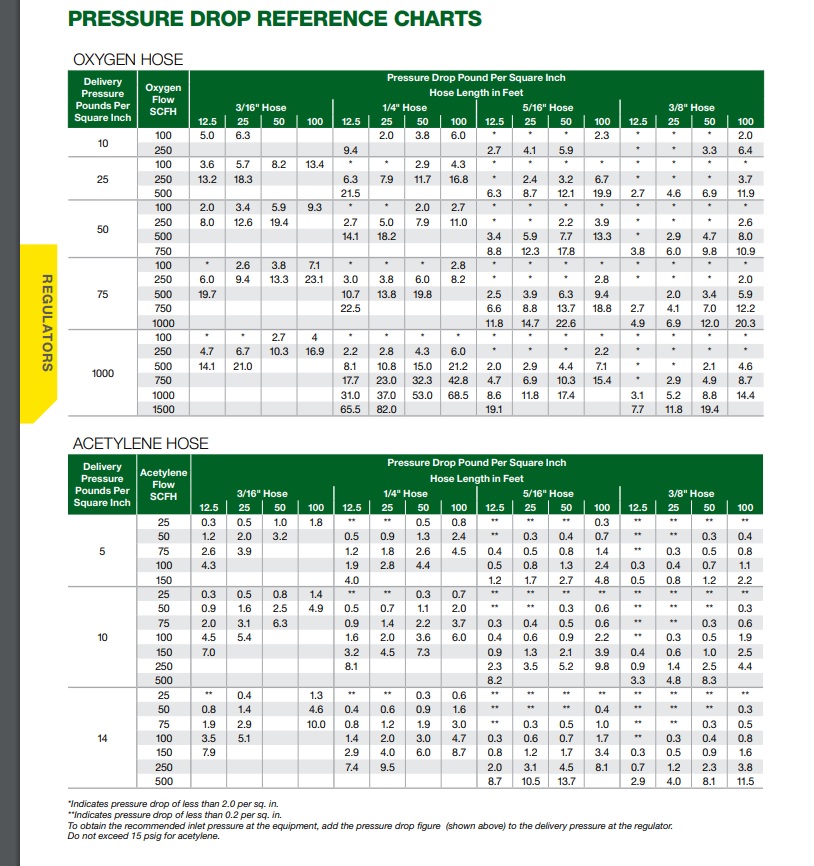
Also, if your hoses are very long, pressure drop can occur. You may need to set slightly higher pressure at the regulator to compensate.
Troubleshooting: When The Flame Is Not Right
If your flame does not look or sound correct, check:
- Hissing or roaring sound: Pressure too high, or tip too large.
- Yellow, sooty flame: Not enough oxygen, or dirty tip.
- Flame keeps going out: Pressure too low, or gas supply problem.
- Flame pops or flashes back: Dangerous! Shut off torch, check for leaks, and clean tips.
Always stop and check your setup if you notice anything unusual.
Oxy Acetylene Cutting Vs. Welding: Pressure Differences
Oxy-acetylene can also be used for cutting metal. The pressure settings for cutting are a bit different:
- Oxygen pressure is usually much higher (20–60 psi), because you need a strong jet to blow away molten metal.
- Acetylene pressure stays low (3–10 psi).
Here is a comparison:
| Process | Oxygen Pressure (psi) | Acetylene Pressure (psi) | Tip Size |
|---|---|---|---|
| Welding (1/8″ steel) | 10 | 7 | 1 |
| Cutting (1/8″ steel) | 25 | 5 | 1 |
| Cutting (1/2″ steel) | 40 | 7 | 2 |
Important: Never set acetylene above 15 psi, even for cutting.
Pressure Settings For Different Metals
Different metals may require small changes in pressure:
- Steel: Use neutral flame, standard chart settings.
- Aluminum: Use slightly carburizing flame, lower pressure. Work quickly to avoid warping.
- Copper: Needs slightly higher oxygen, but watch for overheating.
- Brass/Bronze: Use neutral or slightly oxidizing flame, standard pressures.
Always do a test weld on scrap material first if you are unsure.
Credit: weldguru.com
Maintaining Regulators And Gauges
Bad or dirty regulators can give false readings and lead to dangerous situations. Here’s how to keep them in good condition:
- Store regulators in a dry place.
- Inspect the gauges before every use.
- If the needle jumps or sticks, replace or repair the gauge.
- Never force the adjustment knob.
If your regulator is leaking, hissing, or not holding pressure, replace it before using.
Final Thoughts
Setting the correct oxy acetylene welding pressure is not just about numbers. It’s about understanding your equipment, the metal you are working with, and how the flame looks and behaves. With the right knowledge and care, you can weld safely and produce strong, reliable joints every time.
Frequently Asked Questions
What Is The Maximum Safe Pressure For Acetylene?
The maximum safe acetylene pressure is 15 psi (about 1 bar). Going over this can cause the gas to become unstable and possibly explode. Most welding jobs use much lower pressure, usually between 3 and 10 psi.
Why Does My Torch Make A Popping Sound?
A popping sound usually means the flame is going out and reigniting quickly. This can be caused by too much or too little gas pressure, a blocked tip, or a leak. Check your pressure settings and clean the tip.
Can I Use The Same Pressure Settings For Cutting And Welding?
No, cutting usually needs higher oxygen pressure than welding. Always check your torch’s manual or a reliable chart for the correct settings for each job.
How Do I Know If My Flame Is Neutral?
A neutral flame has a sharp, bright inner cone and no yellow or feathered tip. The flame is quiet and steady. Adjust the oxygen valve until you see this shape.
Is It Safe To Use Homemade Pressure Charts?
Always use manufacturer-approved charts or guidance from trusted sources. Homemade or untested charts can lead to dangerous mistakes or poor weld quality. If in doubt, consult your torch’s manual or a professional welder.


