

The puddle stayed tight, the edges didn’t collapse, and the heat felt controlled instead of overwhelming. Aluminum usually runs away from you, but with pulse TIG, the arc gives you a rhythm that keeps everything in check. That control is exactly why pulsed TIG is a game changer for aluminum work.
Aluminum heats fast and holds it, which makes burn-through and distortion common with steady current. I learned through real shop projects that pulsing the current lets the metal cool slightly between peaks, improving penetration while reducing overall heat input. The result is a cleaner bead, less warping, and far better control on thin or delicate parts.
If you want smoother aluminum welds with fewer mistakes, keep reading. I’ll walk you through how to use pulsed TIG for aluminum the practical way, step by step, so you can weld with confidence.
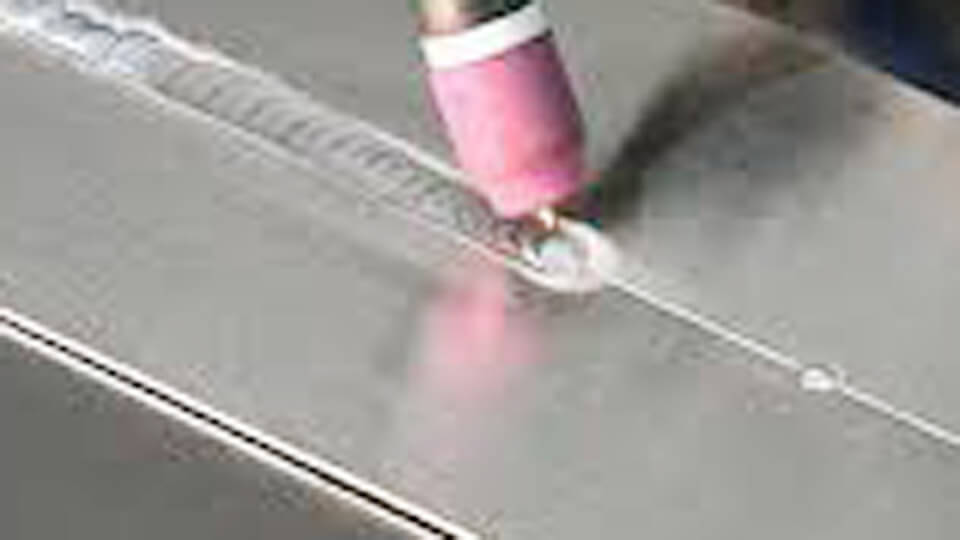
Image by millerwelds
What Exactly Is Pulsed TIG Welding?
Pulsed TIG is essentially TIG welding on steroids for heat-sensitive materials like aluminum. At its core, it’s gas tungsten arc welding (GTAW) where the current pulses between a peak amperage for melting and a background amperage for cooling. This pulsing happens rapidly, often 1 to 500 times per second, depending on your machine.
How does it work? Picture your torch: the tungsten electrode creates an arc, shielded by argon or helium gas. In standard TIG, constant current can overheat aluminum, leading to puddles that sag or burn holes.
Pulsing fixes that by spiking the amperage to penetrate, then dropping it low to let the metal solidify slightly. It’s like tapping the gas pedal instead of flooring it – you get where you need without spinning out.
I first tried it on a thin aluminum fuel tank repair. Without pulse, the edges warped like a potato chip. With it, the weld laid flat, and the tank held pressure no problem.
Use it when heat distortion is your enemy, like on sheet metal under 1/8 inch or intricate assemblies. Why? It reduces the heat-affected zone (HAZ), minimizing cracks and improving strength.
Start with a modern inverter machine like a Miller Dynasty or Lincoln Square Wave – they’re common in US shops and handle pulsing reliably. Set your pulse frequency low for thicker stock to build heat, higher for thin to avoid burn-through.
Why Bother with Pulsed TIG on Aluminum Instead of Regular TIG?
Regular TIG works fine for some aluminum jobs, but pulsed mode shines when precision matters. Aluminum’s high thermal conductivity means heat spreads fast, causing distortion or weak spots. Pulsed TIG tames that by cycling the arc, giving you control over the weld pool.
In action, the peak current melts the base and filler, while the background maintains the arc without adding excess heat. This results in narrower beads, less filler needed, and cleaner finishes – no more grinding off ugly blobs.
I’ve used it for aerospace brackets where specs demand zero porosity. Without pulse, I’d overheat and introduce oxides; with it, the welds pass X-ray every time. Opt for it on repairs where matching original contours is key, or fabrication like custom exhausts, to avoid warping that throws off alignments.
But why not stick with MIG? MIG's faster for production, but pulsed TIG offers better control for thin gauges and aesthetics. Cons: It’s slower and requires more skill. Pros: Superior penetration on AC (alternating current) for aluminum’s oxide layer, plus reduced tungsten erosion.
If your aluminum’s anodized, pulse helps break through without excessive cleaning. Always pre-clean with a stainless brush dedicated to aluminum – cross-contamination from steel ruins everything.
How Do I Set Up My Welder for Pulsed TIG on Aluminum?
Setting up isn’t rocket science, but get it wrong, and you’ll fight the machine all day. First, ensure your TIG welder has pulse capability – most US brands like Everlast or AHP do now, even budget ones.
Key parameters: AC balance (60-80% electrode negative for cleaning), peak amperage (based on thickness), background amperage (30-50% of peak), pulse frequency (0.5-2 Hz for thick, 100-200 Hz for thin), and pulse width (time at peak, 40-60%).
For 1/16-inch aluminum, I start at 120-150 peak amps, 50 background, 1 Hz frequency. It gives deep fusion without melting edges. Thicker 1/4-inch? Bump peak to 200-250 amps, lower frequency to 0.5 Hz for more heat dwell.
How it works in practice: The pulse frequency controls puddle agitation – high frequency stirs it for better cleaning, low for stacking dimes on pipes.
Calibrate on scrap first. Weld a bead, check for undercut or lack of fusion. Adjust AC balance if the puddle’s too dirty (more EN) or tungsten balls up (more EP). Safety note: Always wear a respirator for aluminum fumes – they’re no joke for long-term health.
Choosing the Right Electrode and Filler Rod for Aluminum Pulsed TIG
Electrodes and rods make or break your weld. For aluminum, use pure tungsten or 2% thoriated (though ceriated is safer and common now in US regs). Diameter: 1/16-inch for under 150 amps, 3/32 for higher.
Sharpen to a point for AC aluminum – it focuses the arc. But in pulsed mode, the background current keeps it stable, reducing spit.
Filler rods: 4043 for general use (good flow, crack-resistant), 5356 for stronger welds on 5xxx series aluminum. Size: Match base thickness – 1/16-inch rod for thin sheets, 3/32 for plates.
I’ve learned the hard way: Using too thick a rod on thin aluminum causes cold laps. Dip sparingly in pulsed mode – the pulse helps wet it in.
Why these? 4043’s silicon content lowers melting point, aiding flow in pulsed cycles. Compatibility: Check alloy charts – mismatching leads to corrosion.
Store rods in a dry tube; aluminum absorbs moisture fast, causing porosity. In humid shops, bake them at 250°F before use.
Prepping Joints and Handling Aluminum for Pulsed TIG Success
Joint prep is where pros separate from hobbyists. Aluminum oxide melts at twice the base temp, so clean religiously. Use acetone wipe, then dedicated stainless brush or chemical etch.
For butt joints, bevel edges 30-45 degrees on thick stock for full penetration. Lap joints? Overlap 1-2 times thickness, clamp to prevent gaps.
Material handling: Aluminum work-hardens, so avoid bending pre-weld. Clamp with backing bars to dissipate heat – copper’s best.
In my experience, skipping prep on a radiator repair led to contaminated welds that leaked. Now, I always preheat thick aluminum to 200°F to reduce thermal shock in pulsed TIG.
Why pulsed helps here: The cycling minimizes distortion, so your prepped joints stay aligned. Tip: Use a foot pedal for fine amp control during tacks.
Safety: Gloves for hot edges, and eye protection rated for UV – pulsed arcs are bright.
Step-by-Step Guide to Pulsed TIG Welding Aluminum
Let’s break it down like I’m showing you in the shop.
- Gather gear: Machine set to AC pulse, pure argon at 15-20 CFH, sharpened electrode, filler rod, clamps.
- Clean and prep: Degrease, brush oxide, bevel if needed.
- Tack weld: Short pulses at low amps to hold pieces without warping.
- Start the bead: Strike arc at 90 degrees, wait for puddle, add filler during peak.
- Travel: Move torch in circles or weaves, letting pulse dictate rhythm – dip on high, pull on low.
- End: Taper amps to avoid craters; add extra filler.
For a T-joint on 1/8-inch aluminum: Peak 180 amps, background 70, 1.5 Hz. Weld at 10-15 IPM.
Common tweak: If puddle freezes too fast, increase background slightly.
This process ensures even beads, like stacked coins, perfect for visible work like furniture.
Common Mistakes in Pulsed TIG for Aluminum and Quick Fixes
Even seasoned welders slip up. Mistake one: Too high frequency on thick aluminum – it skimps on penetration. Fix: Drop to 0.5-1 Hz, test on scrap.
Another: Dirty tungsten from dipping – causes arc wander. Sharpen fresh, or use lanthanated for stability.
Beginners often over-amp, burning through. Start 20% under recommended, ramp up.
Pro error: Ignoring gas coverage – leads to black sooty welds. Check post-flow at 10-15 seconds.
I’ve fixed bad welds by grinding out, re-prepping, and re-welding with adjusted pulse. For cracks, stress-relieve post-weld at 300°F.
Tip: Log your settings – what worked on 6061 won’t on 5052.
Comparing Pulsed TIG to Other Aluminum Welding Processes
Here’s a quick table to see where pulsed TIG fits:
| Process | Speed | Heat Control | Skill Level | Best For | Cons |
|---|---|---|---|---|---|
| Pulsed TIG | Medium | Excellent | High | Precision, thin gauges | Slower than MIG |
| Standard TIG | Slow | Good | High | General aluminum | More distortion |
| MIG | Fast | Fair | Medium | Production runs | Spatter, less clean |
| Stick (SMAW) | Medium | Poor | Low | Outdoor repairs | Slag, porosity issues |
Pulsed TIG wins for quality in shops like mine, doing custom fab.
Advanced Tips for Taking Your Pulsed TIG Aluminum Welds to Pro Level
Once basics click, experiment. Use helium-argon mix (25/75) for deeper penetration on thick aluminum – it runs hotter but pulsed controls it.
For pipes, rotate at consistent speed, syncing with pulse for uniform beads.
In tight spots, switch to water-cooled torch to handle higher duties without overheating.
Anecdote: On a aircraft frame, I pulsed at 200 Hz on ultra-thin – it fused without filler, saving weight.
Safety: Monitor for ozone from high-frequency – ventilate well.
Filler compatibility: For marine, stick to 5356 to fight corrosion.
I’ve seen pros use pulse to weld dissimilar alloys, but test first – expansion differences crack.
Wrapping Up
Mastering pulsed TIG for aluminum isn’t about fancy gear; it’s about understanding heat and practice. You’ve got the setups, tips, and fixes now to tackle jobs with confidence, whether it’s a hobby project or pro repair.
You’ll spot issues early, adjust on the fly, and produce welds that last. Always post-weld inspect with dye penetrant on critical parts – catches hidden flaws before they fail.
FAQs
Can I Use Pulsed TIG on Very Thin Aluminum Without Burning Through?
Absolutely, that’s where it excels. Set high frequency (100-200 Hz), low peak amps (80-120), and short pulse width. Practice on 0.040-inch scrap – the rapid cooling prevents holes. Clamp with heat sinks if needed.
What’s the Best Amperage Range for Pulsed TIG on 1/4-Inch Aluminum Plate?
Aim for 200-250 peak amps, 80-120 background. Frequency around 0.5-1 Hz for heat buildup. Joint prep with bevels ensures fusion. If it warps, lower background or add backing.
How Do I Avoid Porosity in My Aluminum Pulsed TIG Welds?
Cleanliness is key – no oils or oxides. Use high-purity argon, check for drafts disrupting shield. If porosity persists, increase post-flow or try a larger cup. Rod storage matters too – keep them sealed.
Is Pulsed TIG Worth It for Beginner Welders Working on Aluminum?
Yes, but start simple. It teaches heat control better than constant current. Invest in a machine with easy pulse presets, like the Eastwood TIG 200. Practice beads daily – you’ll see cleaner results fast, building confidence for real projects.
What Filler Rod Should I Use for Welding 6061 Aluminum with Pulsed TIG?
Go with 4043 for ease and crack resistance. If strength’s priority, 5356. Match diameter to thickness – 3/32-inch for most. Dip minimally; let the pulse melt it in. Always match alloys to avoid galvanic corrosion down the line.


